Qilimanjaro construeix ordinadors quàntics analògics de pila completa basats en qubits fluxonium. IPQUANTICS és el nostre projecte sobre el proper gran pas, escalar aquests processadors a més qubits.
El projecte IPQUANTICS pretén desenvolupar processadors escalables per a computació quàntica analògica, abordant els principals reptes d'escalabilitat actuals. Concretament, es proposa superar dues limitacions clau: les restriccions inherents a les arquitectures planes i les complexitats associades al control dels dispositius. Per aconseguir-ho, planteja un enfocament innovador que abasta totes les etapes del procés, des del disseny i la fabricació fins a la prova i el control dels xips. Aquest enfocament representa un avenç significatiu en el coneixement científic i tecnològic, i marca un pas crucial cap a la industrialització dels processadors quàntics per a aplicacions pràctiques.
Els ordinadors quàntics analògics són una de les vies més prometedores a curt termini per abordar problemes que les màquines clàssiques no poden gestionar de manera eficient, des de la simulació fins a l'optimització complexa. Escalar a més qubits és el repte central per a tota tecnologia quàntica, i els processadors analògics no són una excepció. A Qilimanjaro construïm aquests sistemes "full-stack", basats en qubits fluxonium, i IPQUANTICS és el nostre treball en aquest pas.
El problema d'escalabilitat
L'escalat és difícil en la computació quàntica, i en els processadors analògics pren una forma específica. els qubits estan fortament acoblats entre ells, cosa que fa difícil controlar cadascun per separat. Aconseguir això correctament requereix una comprensió profunda del sistema, que vam construir a través de dissenys planars. A més, cada qubit necessita diversos botons de control, de manera que moltes línies de control han de passar per tot el xip. Això fa que l'encaminament sigui difícil i augmenta molt la interferència i la diafonia entre les línies. La tecnologia flip-chip mitiga tots dos problemes.
IPQUANTICS va treballar en tot el procés: disseny, fabricació, proves i control.
El que vam construir
IPQUANTICS es va dirigir cap al següent pas en el recompte de qubits. Vam treballar en dissenys plans i flip-chip, juntament amb la ruta de fabricació i el maquinari de control.
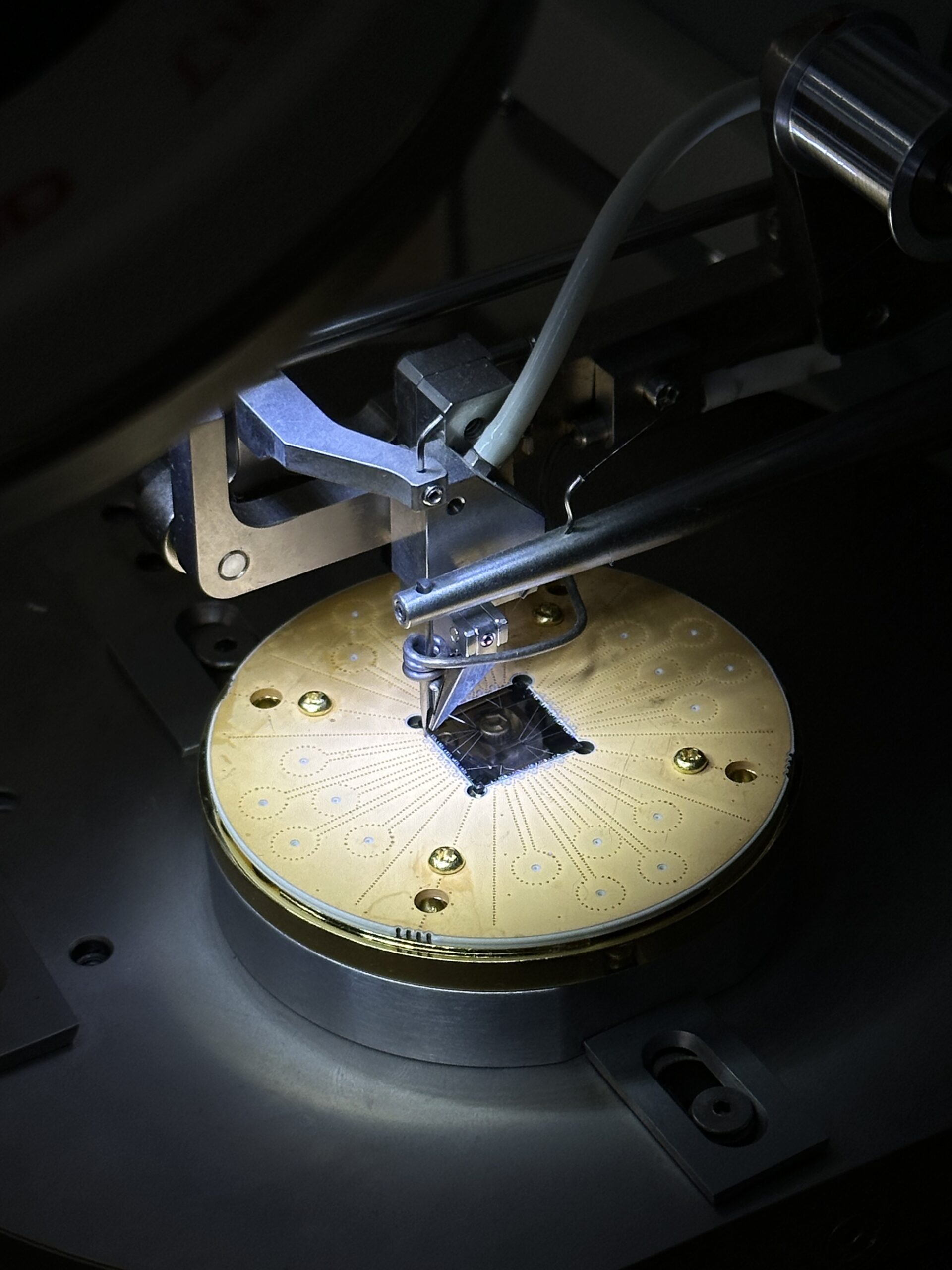
Hem dissenyat cel·les unità multicapa per als nostres xips fluxonium, tant en versió planar com en flip-chip. El flip-chip apila circuits en tres dimensions en lloc d'una sola. S'utilitza en altres llocs de semiconductors, tot i que aplicar-lo a xips quàntics analògics és un problema diferent. Un cop una cel·la funciona, es pot replicar en xips més grans que escalen de manera fiable.
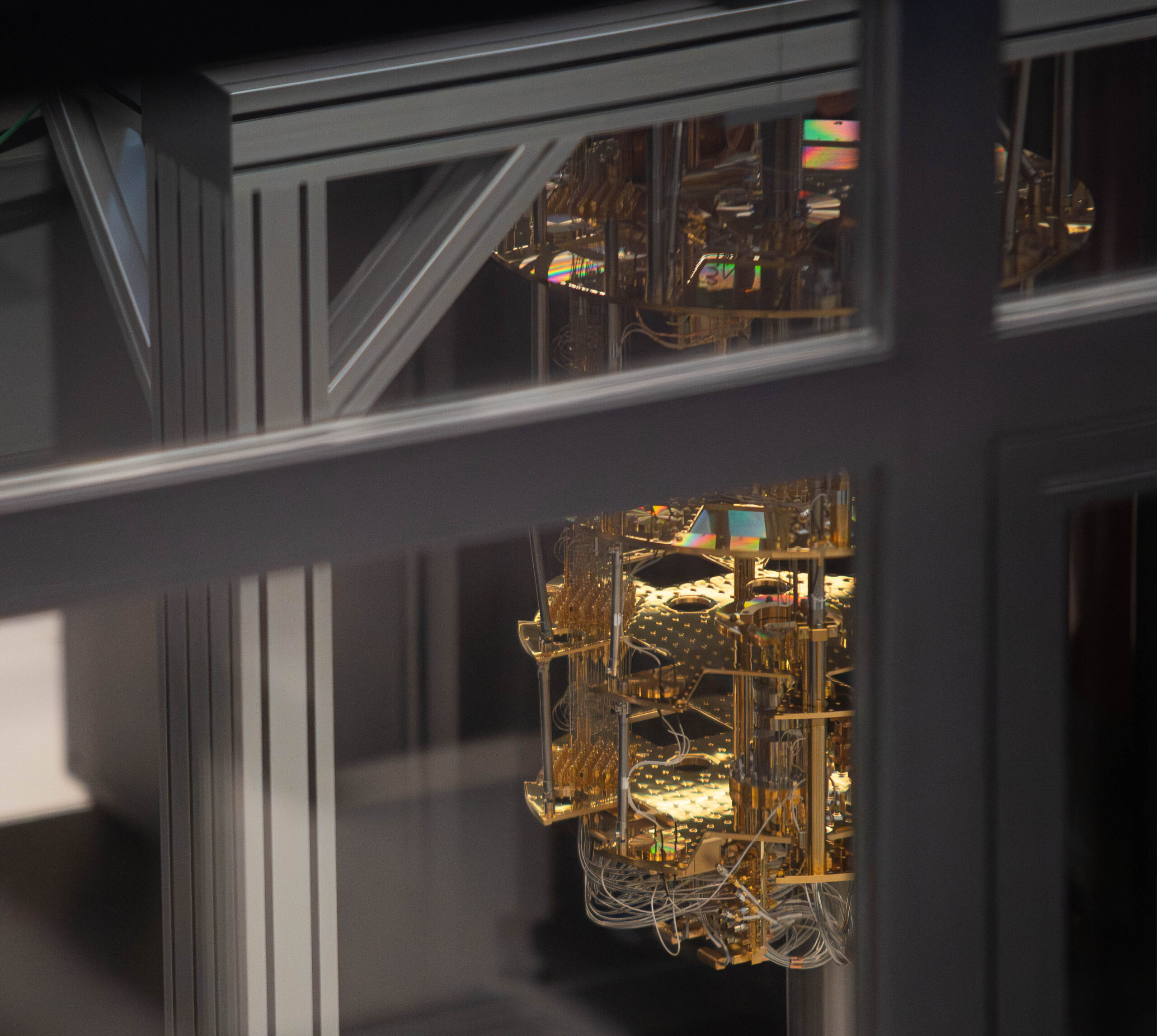
Vam portar aquests dissenys a fabricació i els vam mesurar en condicions operatives reals, a temperatures criogèniques, properes al zero absolut.
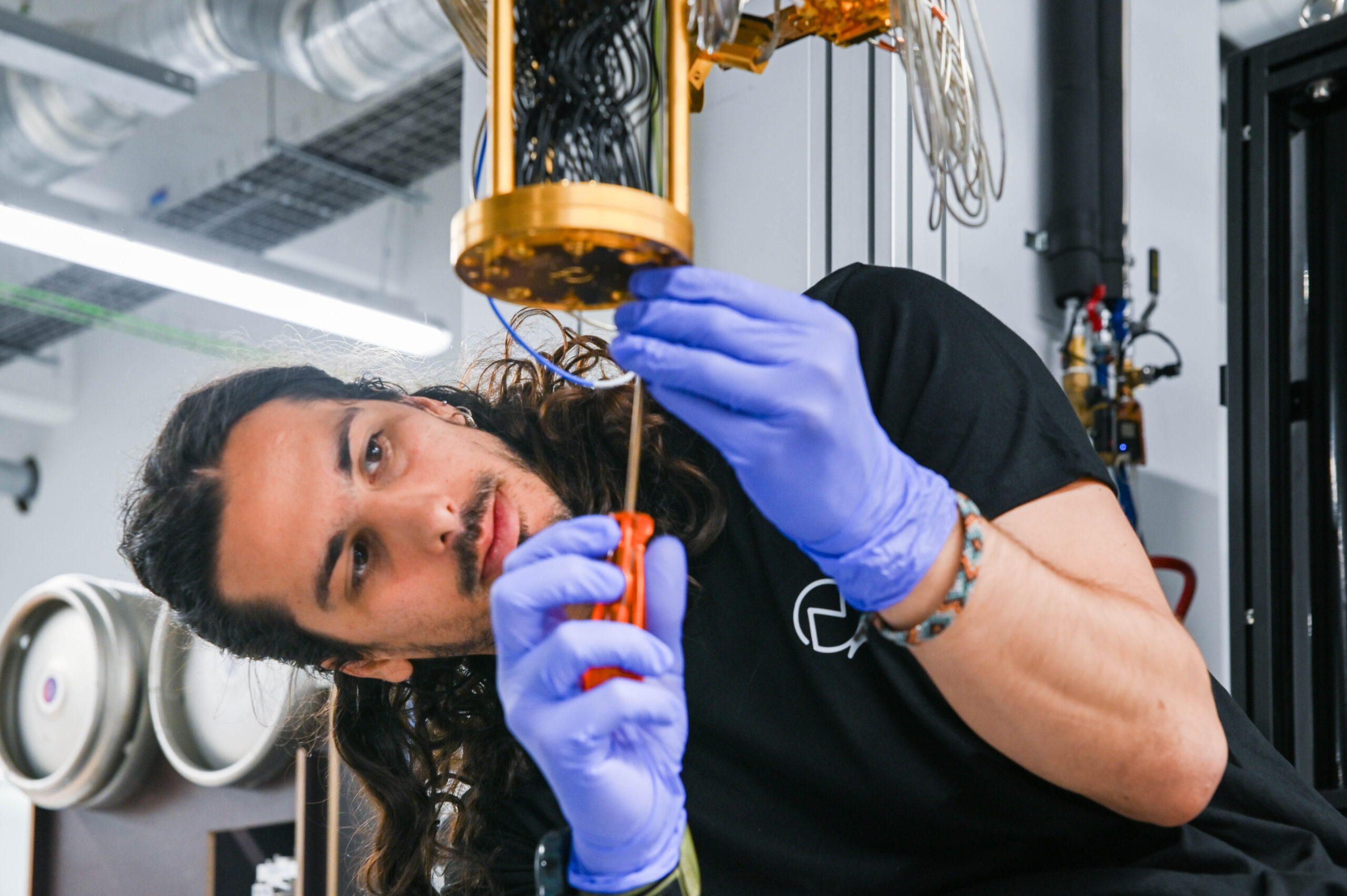
Hem construït la nostra pròpia electrònica de control basada en FPGA per gestionar el major nombre de línies de control que requereix l'escalabilitat. Aquesta és la nostra pròpia tecnologia i propietat intel·lectual, no una adaptació d'eines digitals. És un prototip de recerca, encara lluny de la producció.
Encaixant en el pla de Qilimanjaro
Qilimanjaro construeix i comercialitza ordinadors quàntics analògics de pila completa, des del xip fins al programari i les aplicacions. La venda d'aquests sistemes depèn de la seva escalabilitat a més qubits, que és el problema que IPQUANTICS es va proposar resoldre. El projecte va produir alguns dels mètodes de disseny, l'electrònica de control i la propietat intel·lectual darrere de les properes versions comercials dels nostres QPU.
El projecte també s'ajusta al seu finançador. IPQUANTICS se situa en el segment de “disseny i desenvolupament de xips i nuclis IP” del programa espanyol de microelectrònica i semiconductors, finançat pel Ministeri d'Indústria i Turisme a través del Pla de Recuperació, Transformació i Resiliència. La feina s'afegeix a la cadena de valor dels xips d'Europa i a la seva capacitat per construir aquesta tecnologia a casa.
IPQUANTICS va funcionar de gener de 2025 a juny de 2026, establint un procés complet i reproducible per dissenyar, construir i provar processadors quàntics analògics escalables.