SHARE ARTICLE
There is a particular problem that comes with building technology in a field that barely existed a decade ago: the people you need have not been trained yet.
Science keeps advancing; there are countless real, solvable engineering challenges, and commercial interest is growing. But the people who can work across physics, hardware, and applications at the same time are still just a few. For a field as young as quantum computing, that gap is expected.
At Qilimanjaro, we decided to close it ourselves.
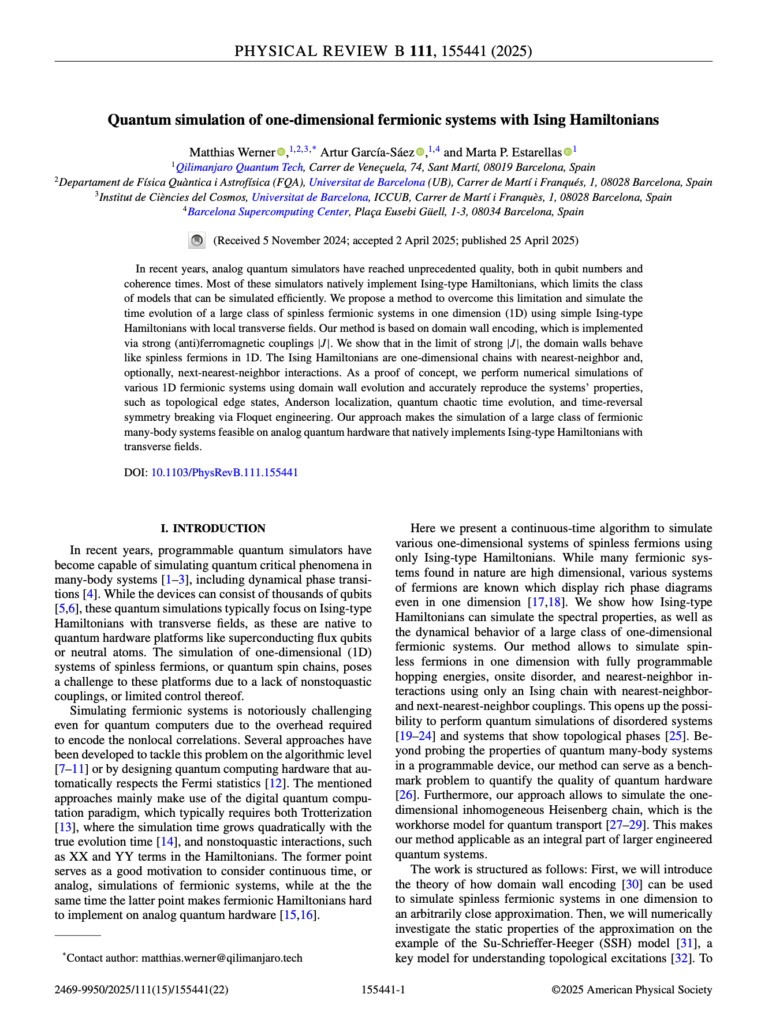
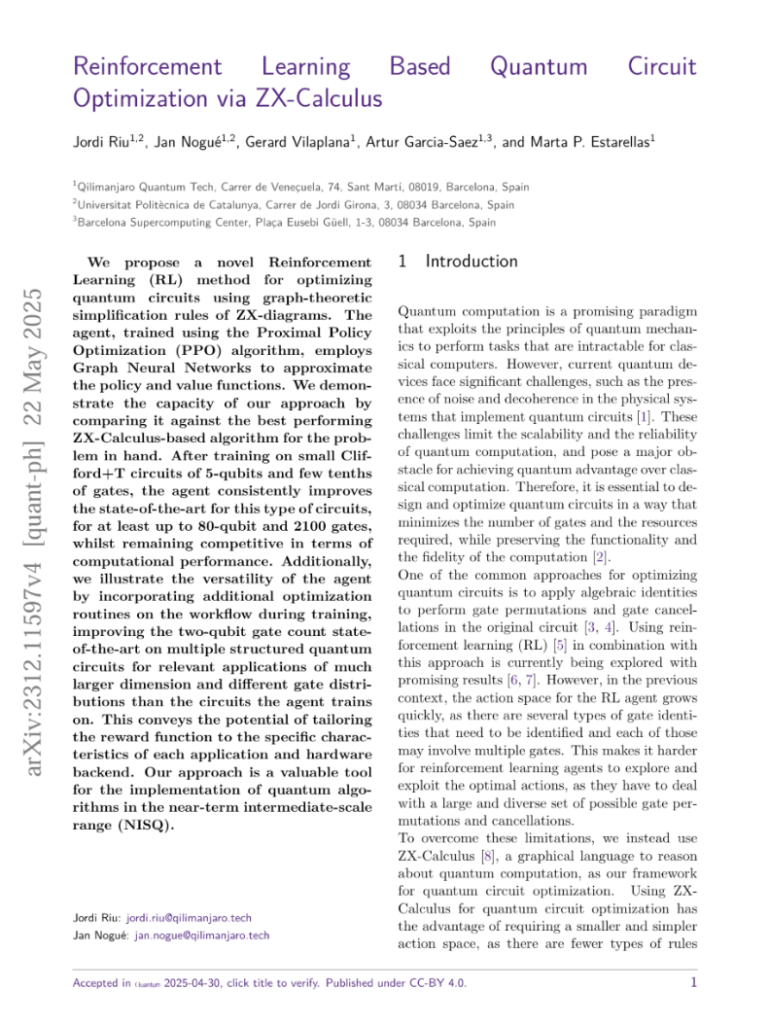
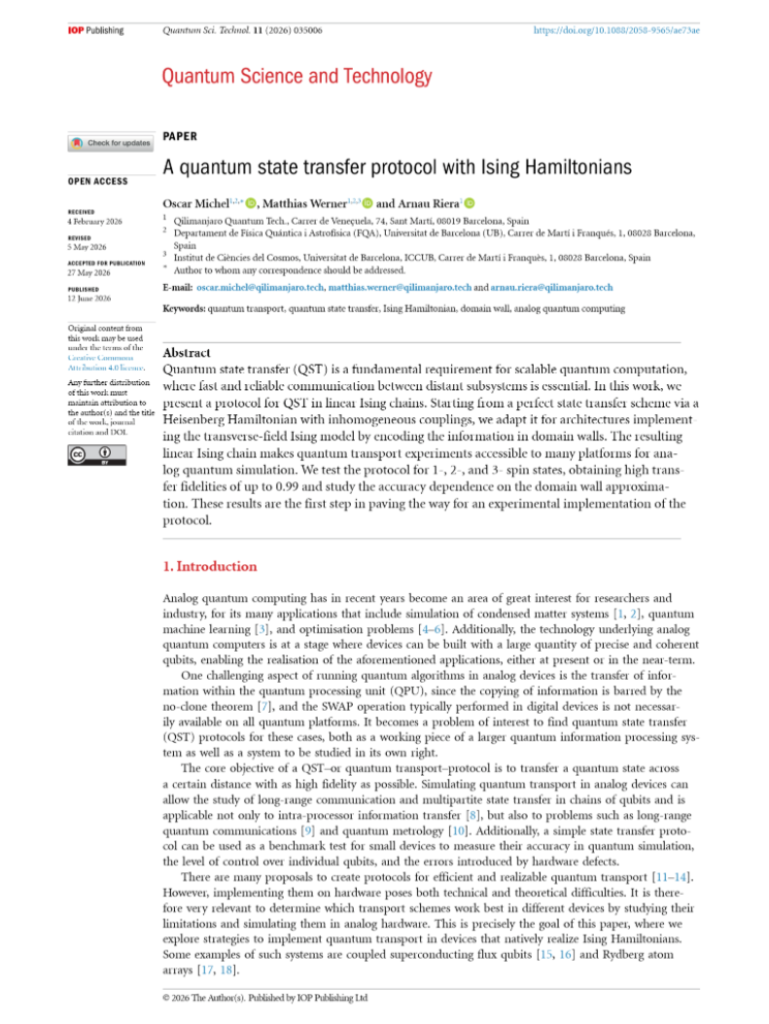
Over the past few years, we have taken on fourteen industrial doctoral researchers through the Doctorats Industrials program of the Generalitat of Catalonia. Each doctoral student is formally enrolled in a university research program while working on a project that matters to Qilimanjaro. They publish, contribute to hardware development, algorithm design, applications, and complete their programs with a deep understanding of the field from the inside.
The Industrial Doctorate Model
The model works because it aligns incentives: the university gets research done in an industrial context, the company gets deep expertise developed around problems it needs to solve, and the doctoral student gets supervised research experience while contributing to work that has a clear purpose.
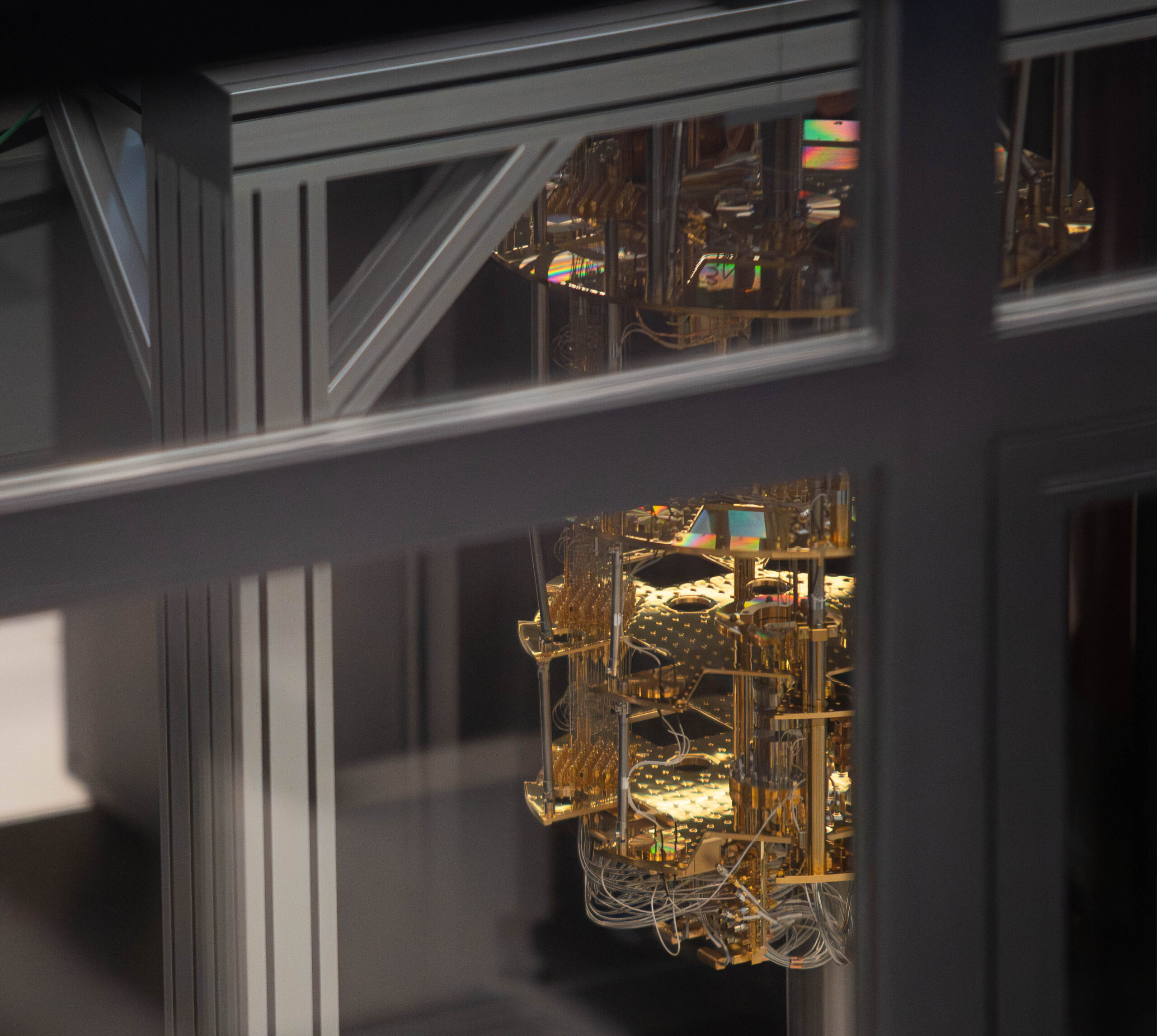
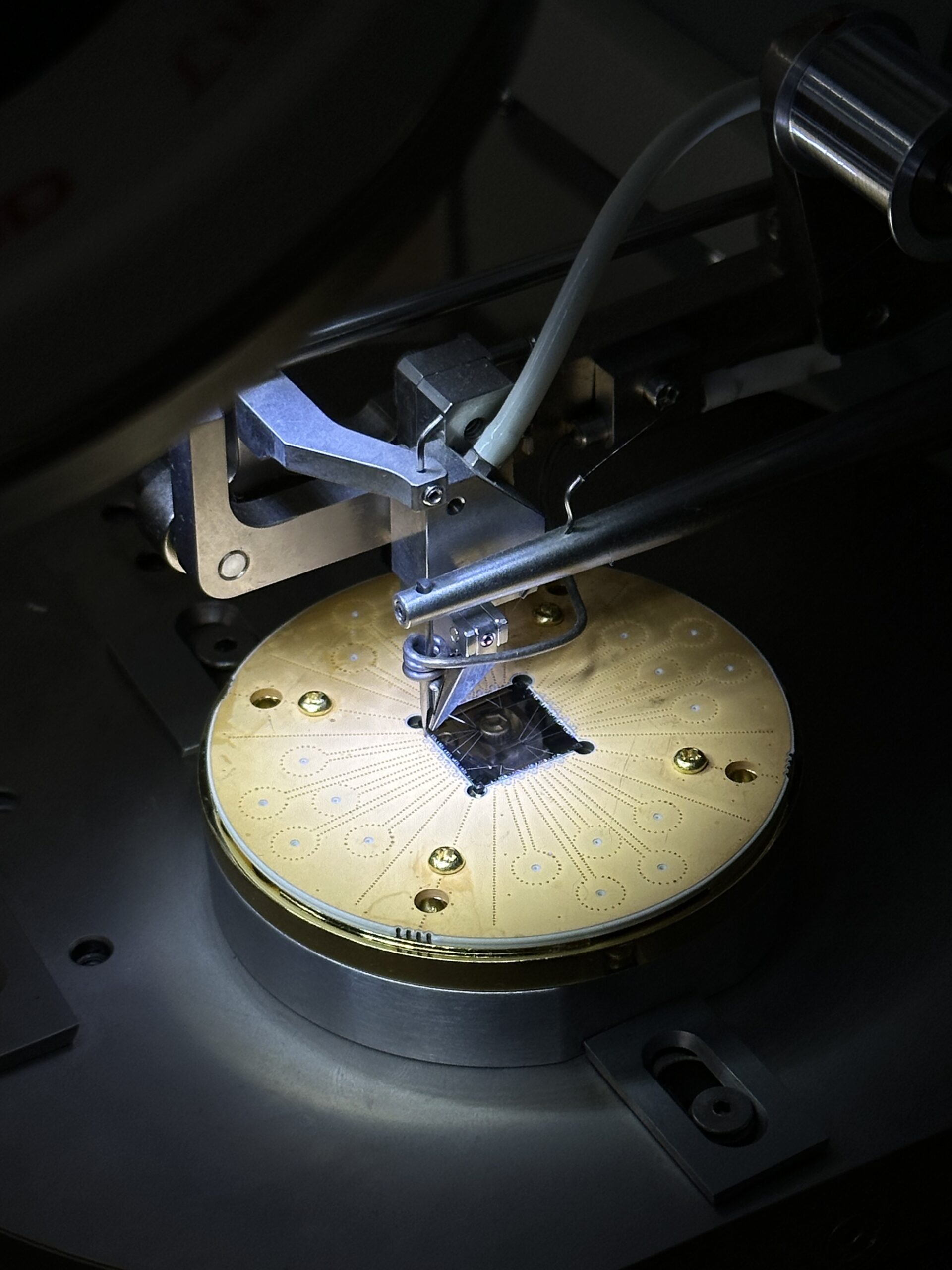
At Qilimanjaro, we build full-stack analog quantum computers based on fluxoniums, covering every layer from chip design to applications. Building analog quantum systems from the physical qubit up through algorithms and to industry use cases requires people who can move between those layers.
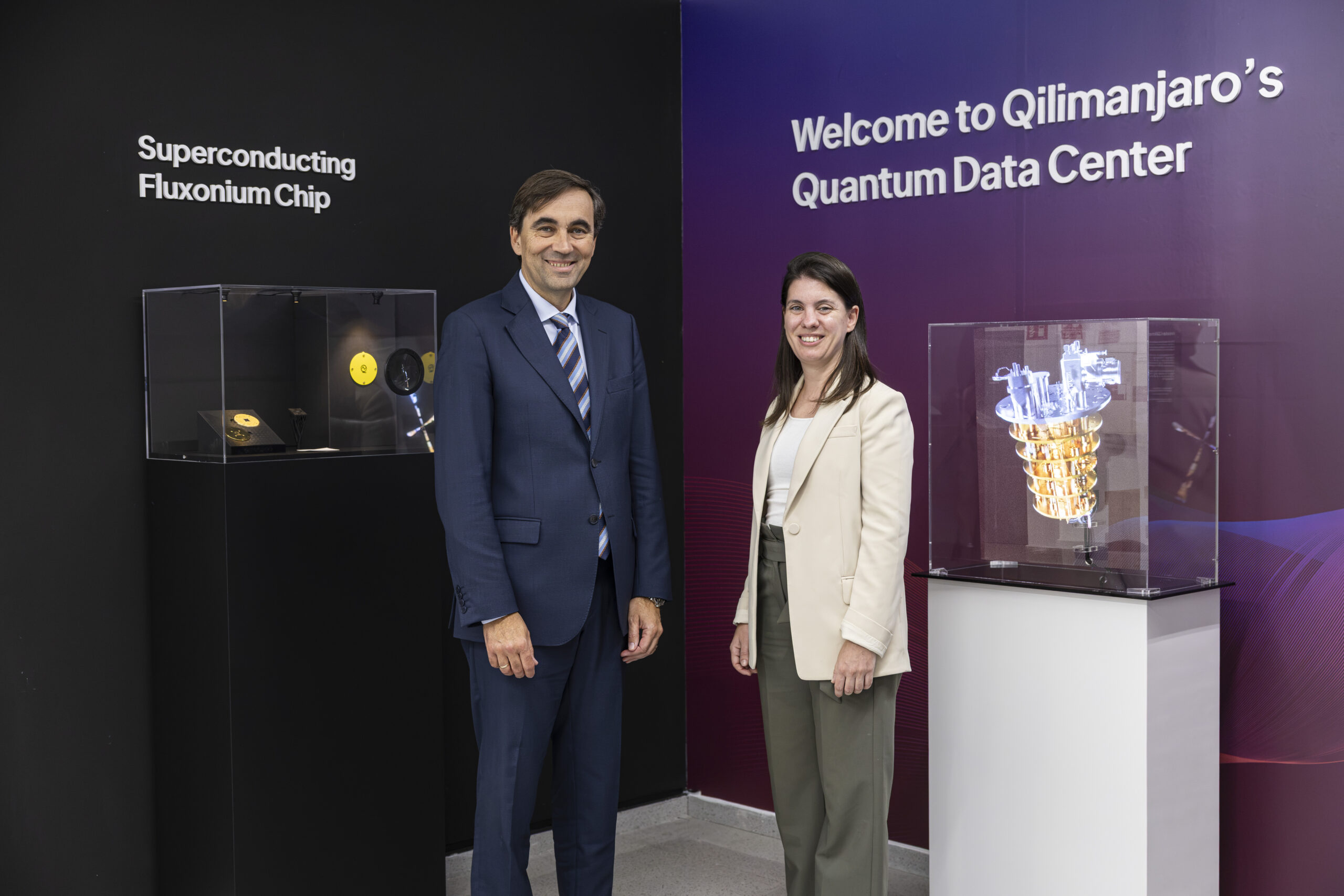
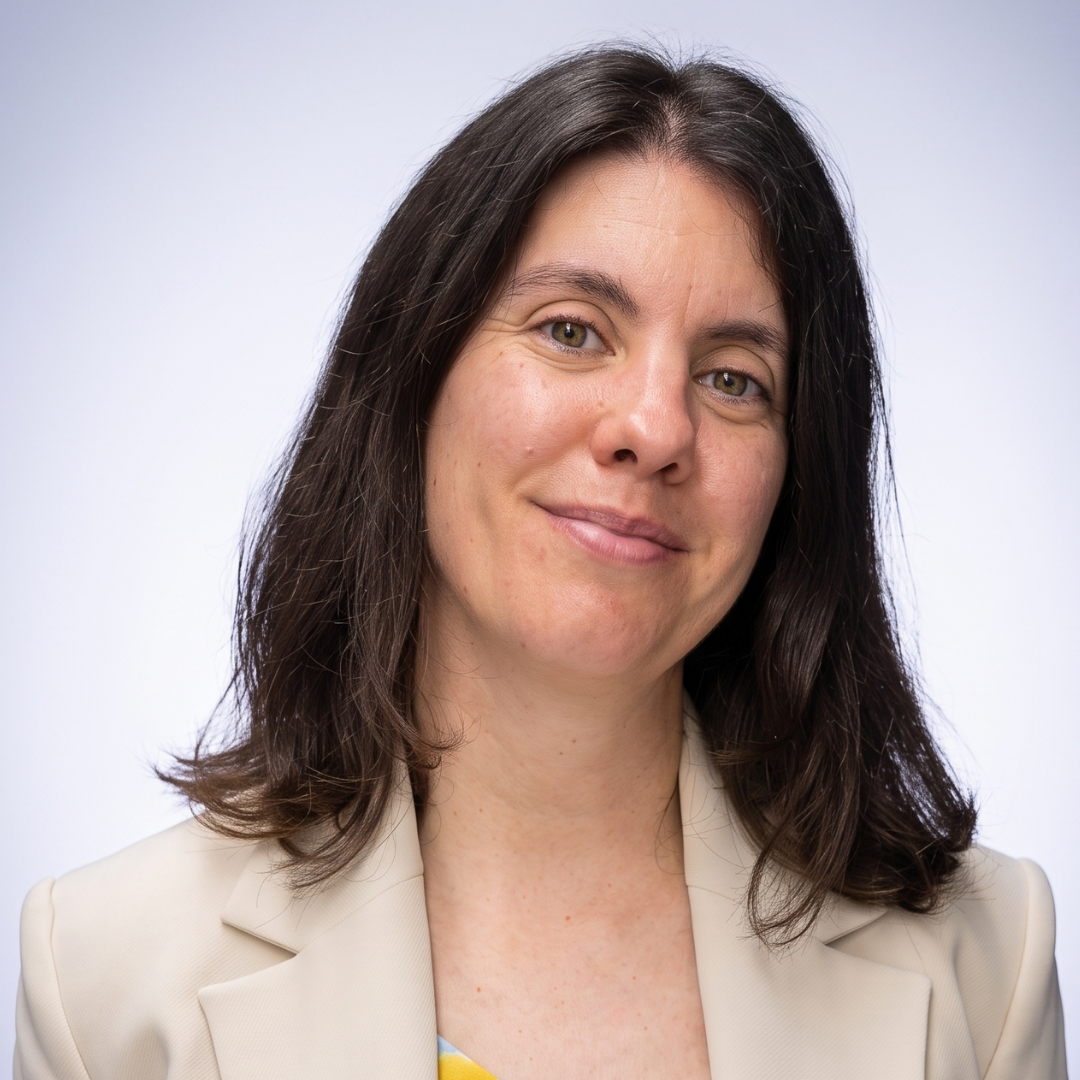
As Marta P. Estarellas, CEO of Qilimanjaro, explains, the industrial doctorate has allowed the company to develop that kind of expertise: people working across hardware, algorithms, and questions such as how quantum computing could reduce energy consumption in industry.
What They Are Working On
The fourteen researchers at Qilimanjaro span the full stack the company is building. Some are working on the chip design itself, developing the superconducting circuits that form Qilimanjaro’s quantum processors. Others are working at the applications and fundamental theory layer, studying how quantum algorithms can be adapted for optimization problems in energy, logistics, healthcare, new materials, and new drugs.
All of them have published research alongside the Qilimanjaro team, contributing to a body of work that spans hardware, algorithms, and applications.
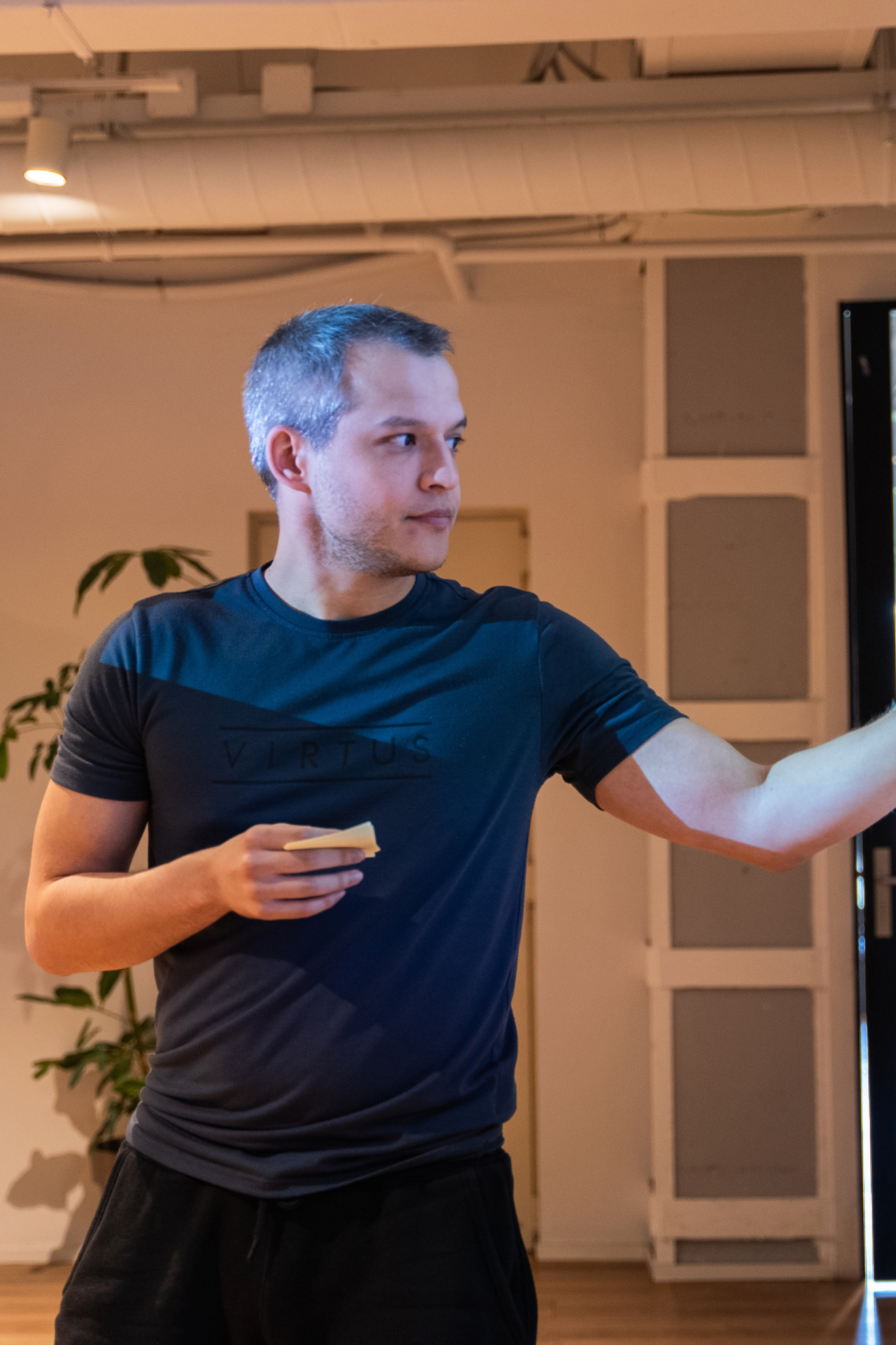
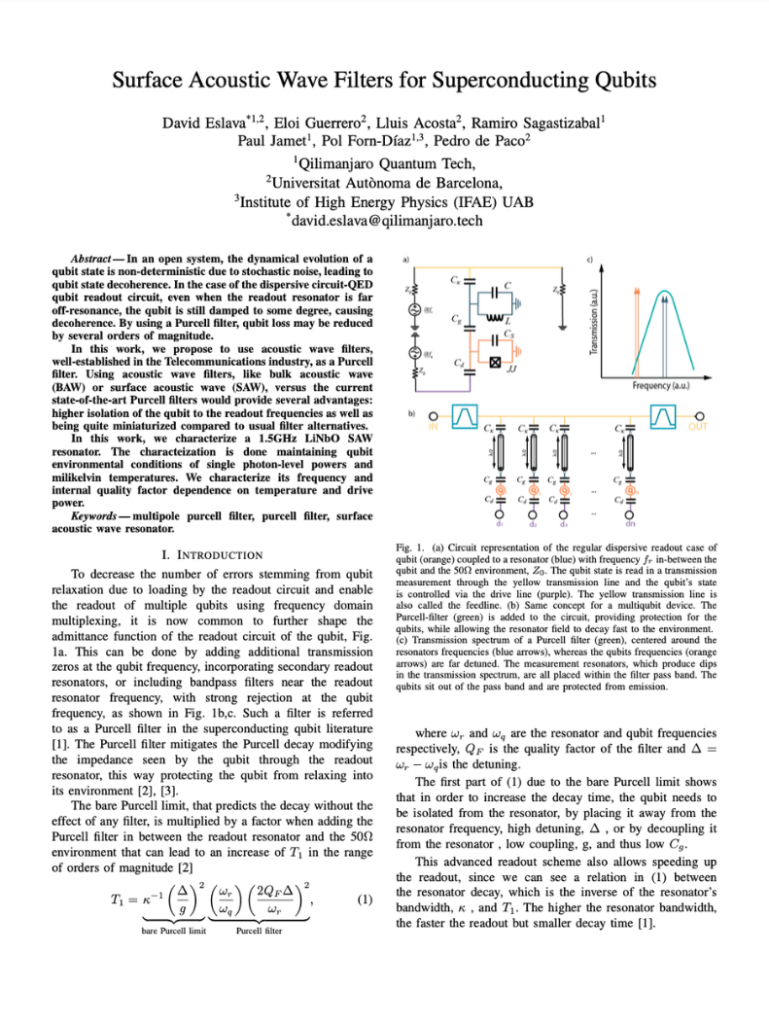
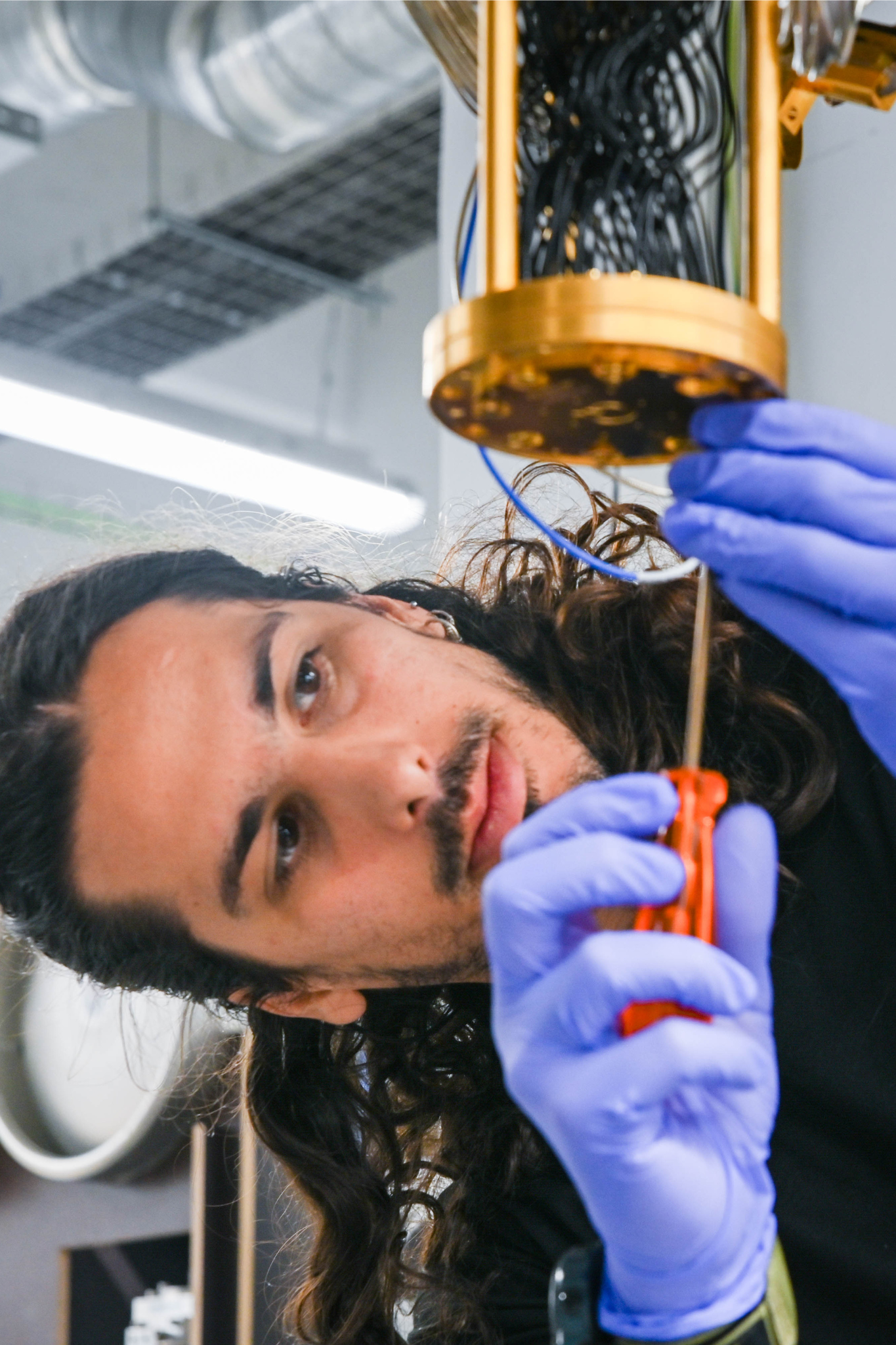
Dr. David Eslava
Systems & Engineering
Completed his PhD in 2023 on Microwave Technology for Quantum Processors.
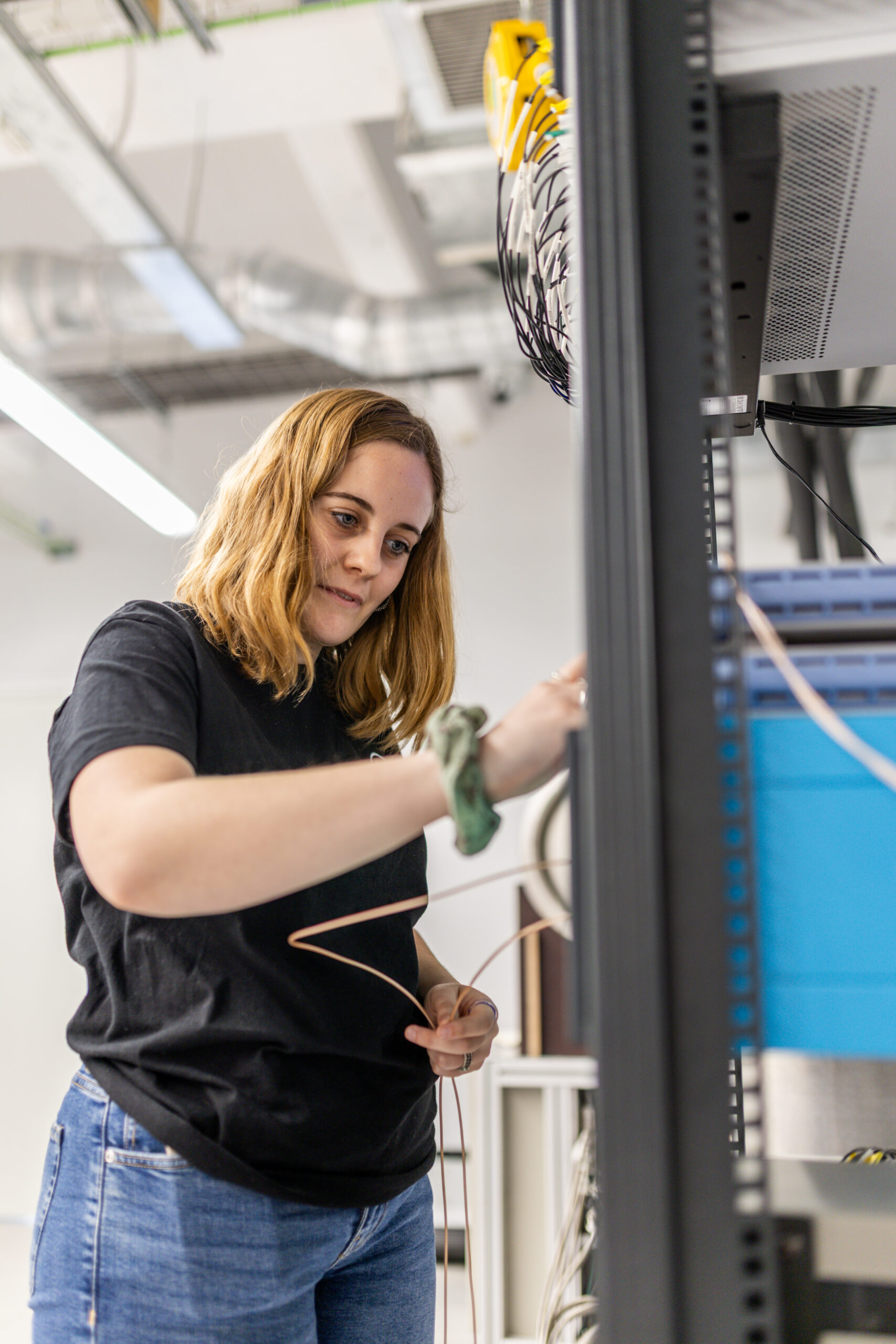
Andrea Pérez
Hardware
Ongoing PhD on Design and Characterization of Non-Stoquastic
Superconducting Flux Circuits.
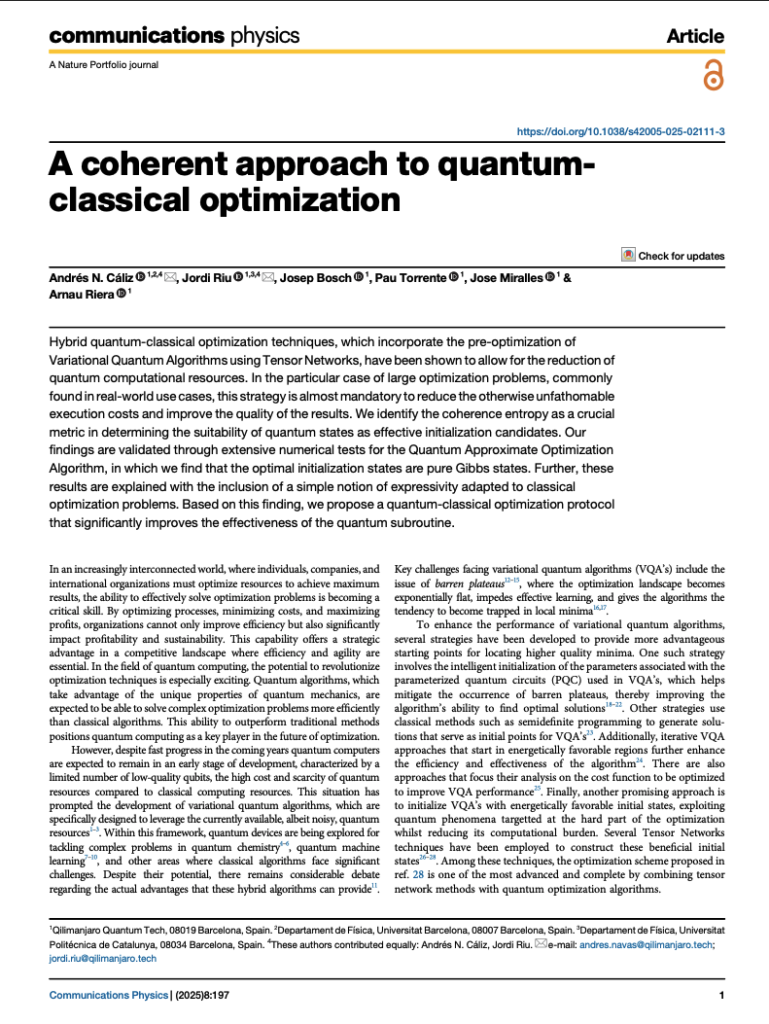
Dr. Jordi Riu
Theory
Completed his PhD in 2025 on Quantum Optimization Algorithms.

Ameer Azzam
Theory
Ongoing PhD in collaboration with CERN on Quantum Machine Learning for Particle Physics.

Yifei Chen
Hardware
Ongoing PhD on Analog Quantum Computing with Fluxonium Qubits.

Matthias Werner
Theory
Ongoing PhD on Analog Quantum Simulation and Computation.
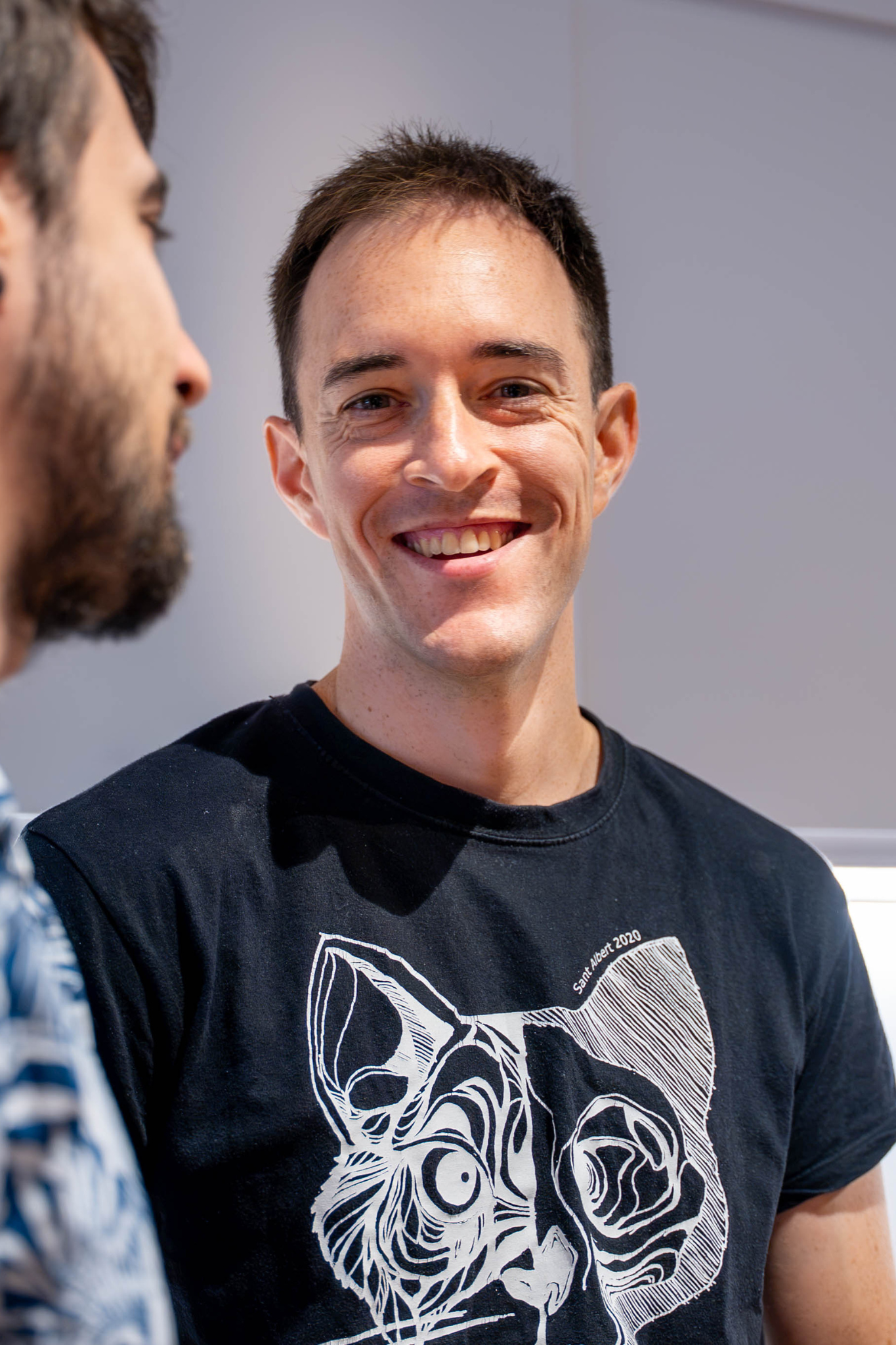
Víctor Sánchez
Hardware
Ongoing PhD on Superconducting Flux Qubits Design.
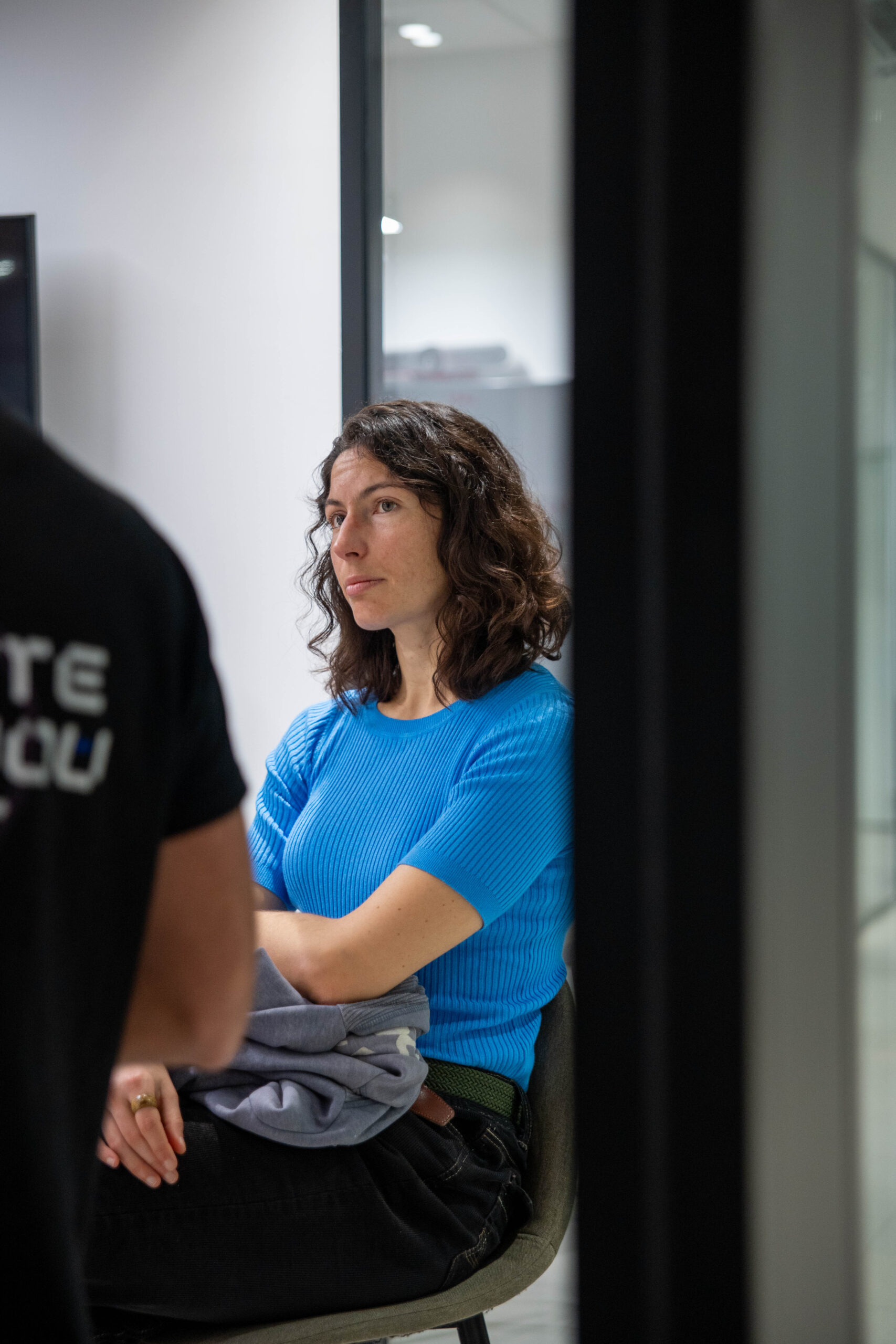
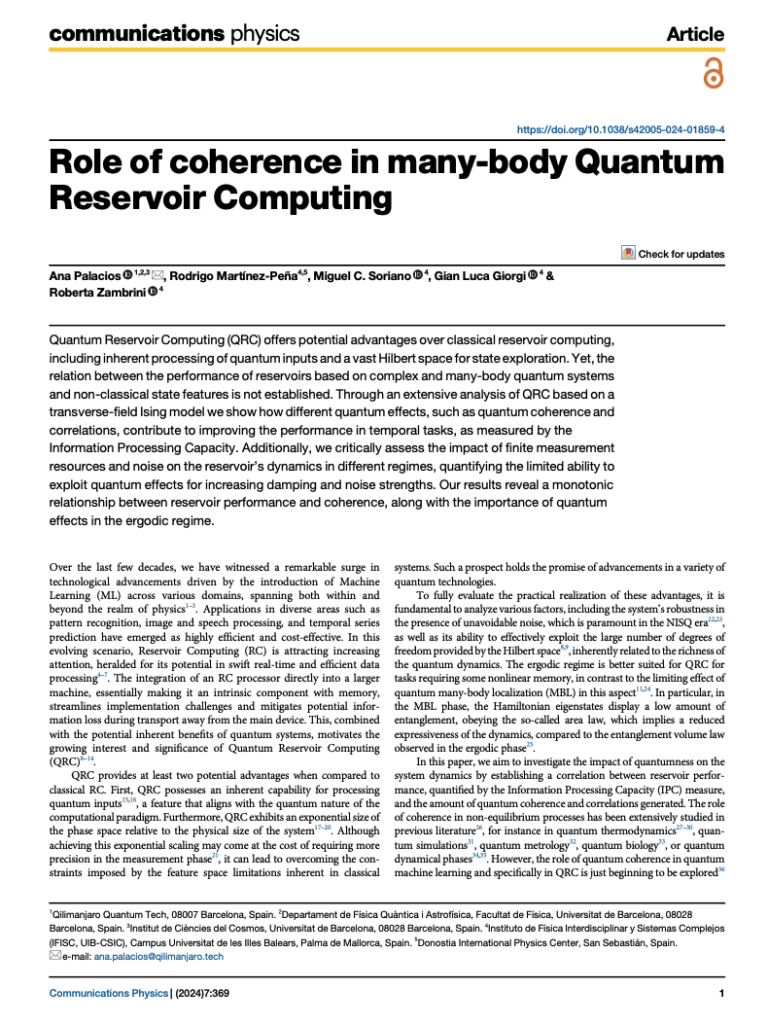
Ana Palacios
Theory
Ongoing PhD on Theory, Architectures and Reservoirs oN Analogue quantum computing.
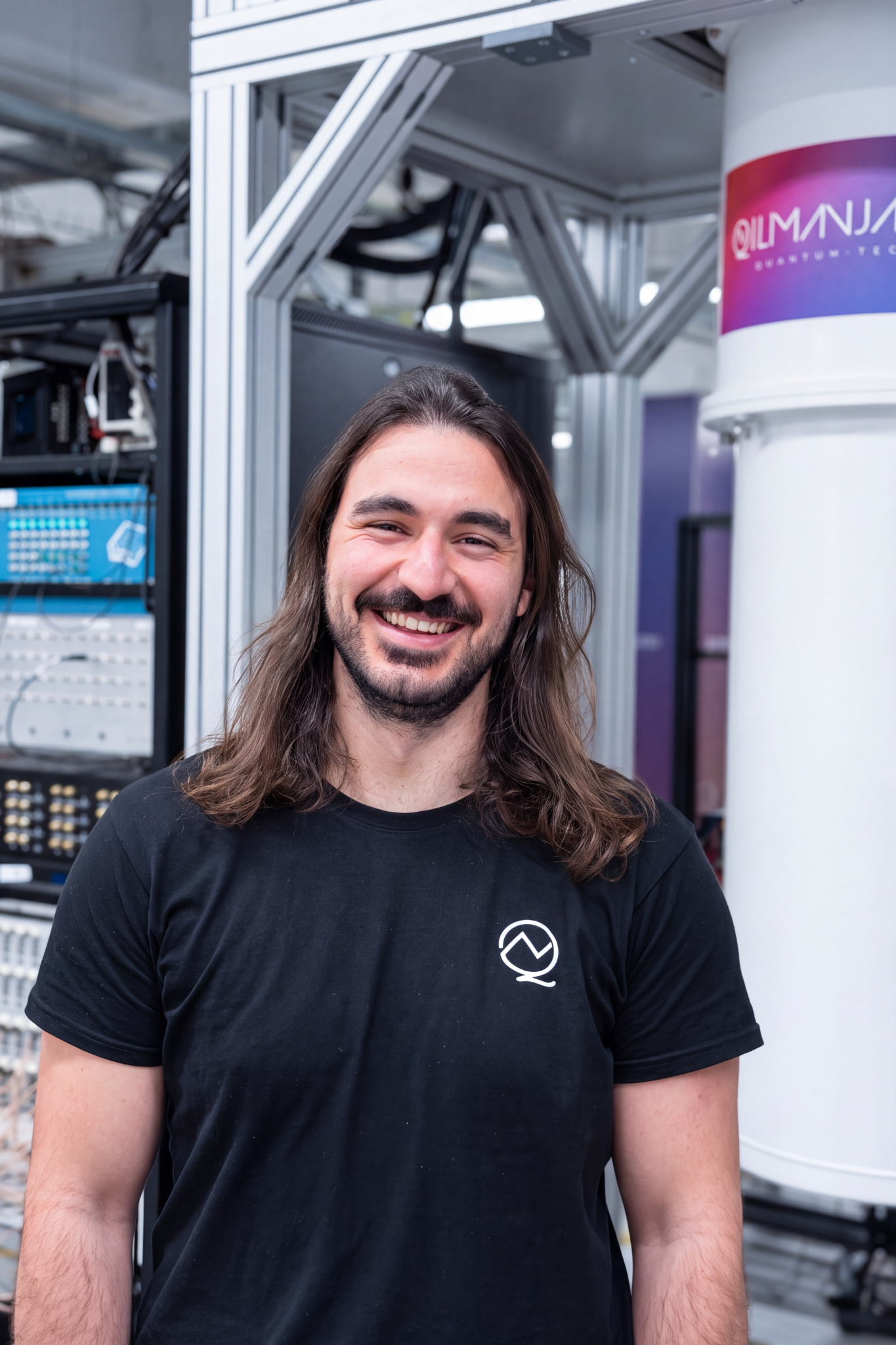
Josep Bosch
Theory
Ongoing PhD on Quantum Computing for Optimization

Andrés Navas
Theory
Ongoing PhD on Tensor Networks for Quantum Computing.
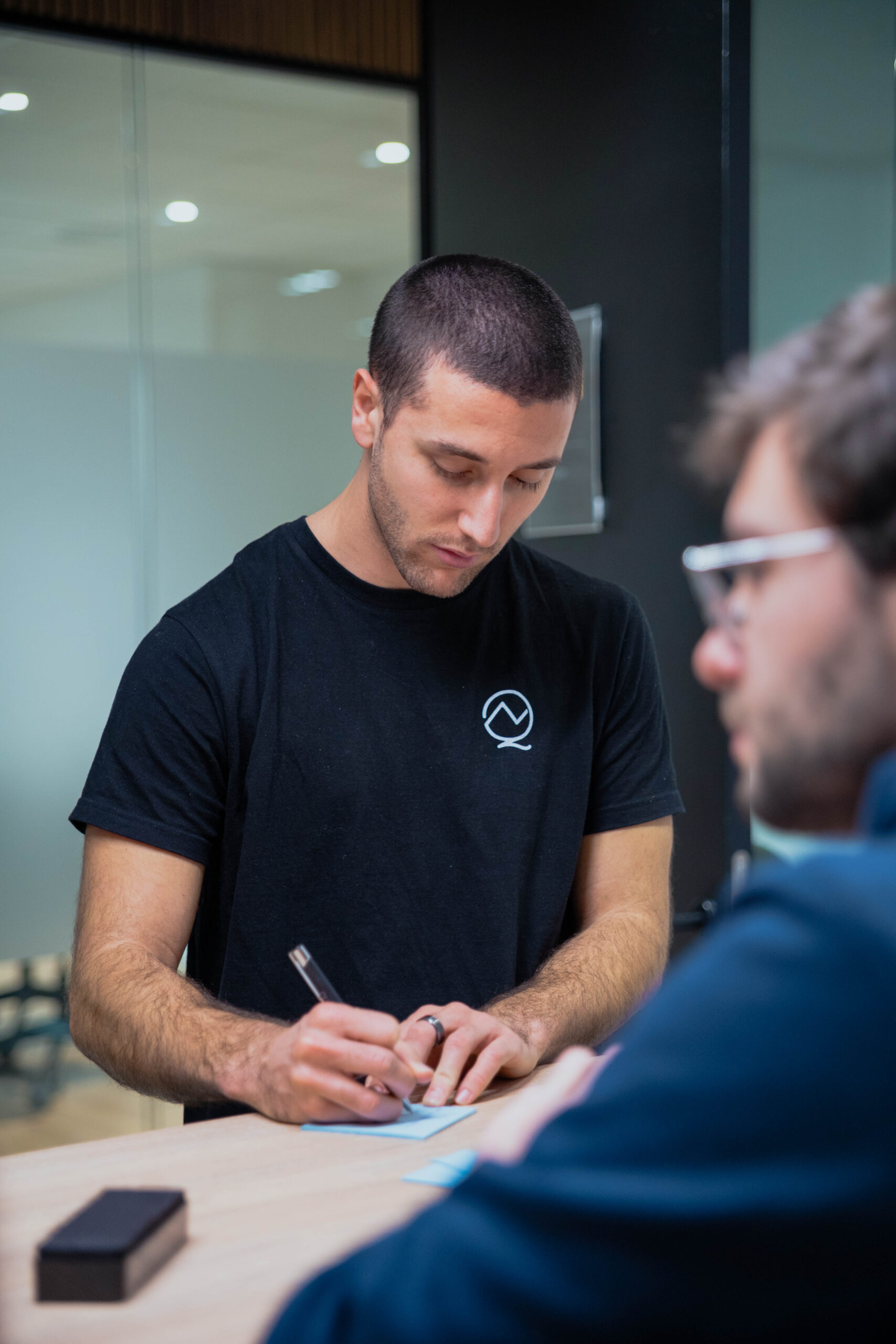
Jan Nogué
Theory
Ongoing PhD on Artificial Intelligence for Quantum Computers.

Carlos Ramon
Theory
Ongoing PhD on Quantum Machine Learning Algorithms for Analog Quantum Computers.
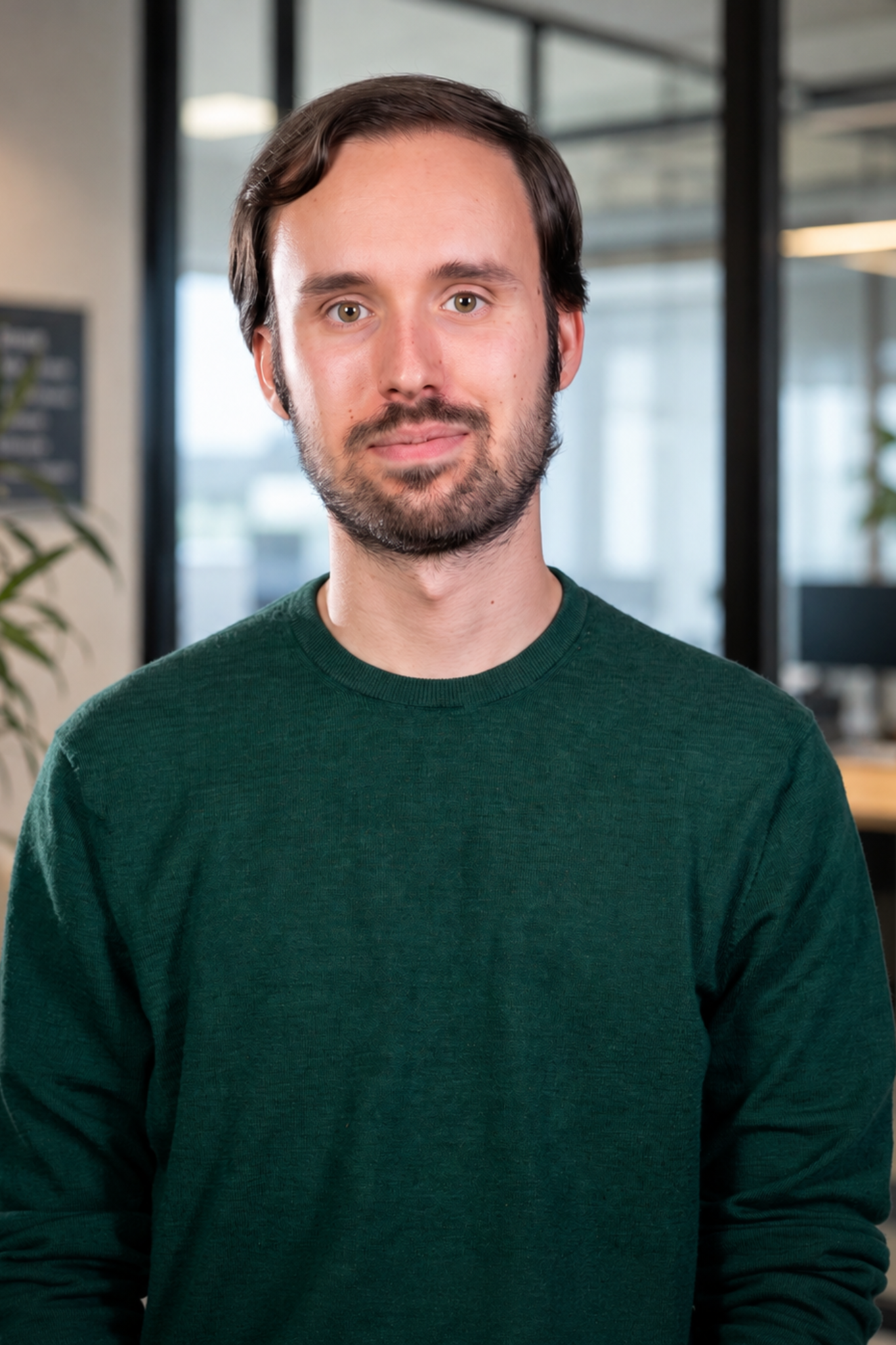
Oscar Michel
Theory
Ongoing PhD on Quantum Simulation of Fermionic Systems on Analog Superconducting Flux Qubits.

Chris Hensel
Theory
Ongoing PhD on Circuit Quantum Electrodynamics Theory of Fluxoniums.
Q&A with Andrea Pérez
Quantum Engineer and Industrial PhD at the University Of Barcelona
I think an industrial PhD gives you the best of both worlds: the chance of keep doing research while also stepping into industry. When I finished my master’s, I knew that I waned to keep doing research, but I wasn’t sure if I wanted to stay in academia since I was also drawn to the idea of joining a company. An industrial PhD is the perfect way to stay connected to both worlds. It gives you a unique perspective precisely because you’re part of both.
What’s the hardest thing you’ve had to figure out that no course prepared you for?
I’d say figuring out what to do with my life and which path is right for me. While studying, I enjoyed many different topics, but at some point you have to choose as it’s impossible to do everything. And with that choice come the doubts: am I making the right decision, will I regret it later… But I think that’s also part of life and part of growing as a person.
What’s one thing you understand now about how a quantum computer gets built that you couldn’t have learned from a textbook or lab?
That getting to where you originally imagined isn’t easy and sometimes the path isn’t straightforward at all. But that’s okay. Sometimes reaching where you set out to go means taking a detour and learning many things along the way. You might not even end up where you first intended, but you can still find yourself in an amazing place.
What would you tell someone who’s deciding between a traditional PhD and an industrial one?
I’d tell them that an industrial PhD is a challenge because you’re living between two worlds that are quite different from each other (academia and industry) and you have to learn to adapt to both. But at the same time, it opens up opportunities you’d miss out if you stayed in just one of the two.
A Bridge Between Academia and Industry
Building a quantum computer is, by definition, a collaborative project. Qilimanjaro works closely with research infrastructure across Catalonia, including the Barcelona Supercomputing Center, ICFO, and several university research groups. The industrial doctorates program extends that collaboration into something more durable. A researcher who has spent three or four years working inside the company while remaining embedded in academia carries knowledge in both directions.
The fourteen people who participated or have already finished the program are building careers in a field that did not exist in its current form when they started their degrees. After completing their PhDs, they will continue at Qilimanjaro, applying their expertise to the next generation of our quantum technology.