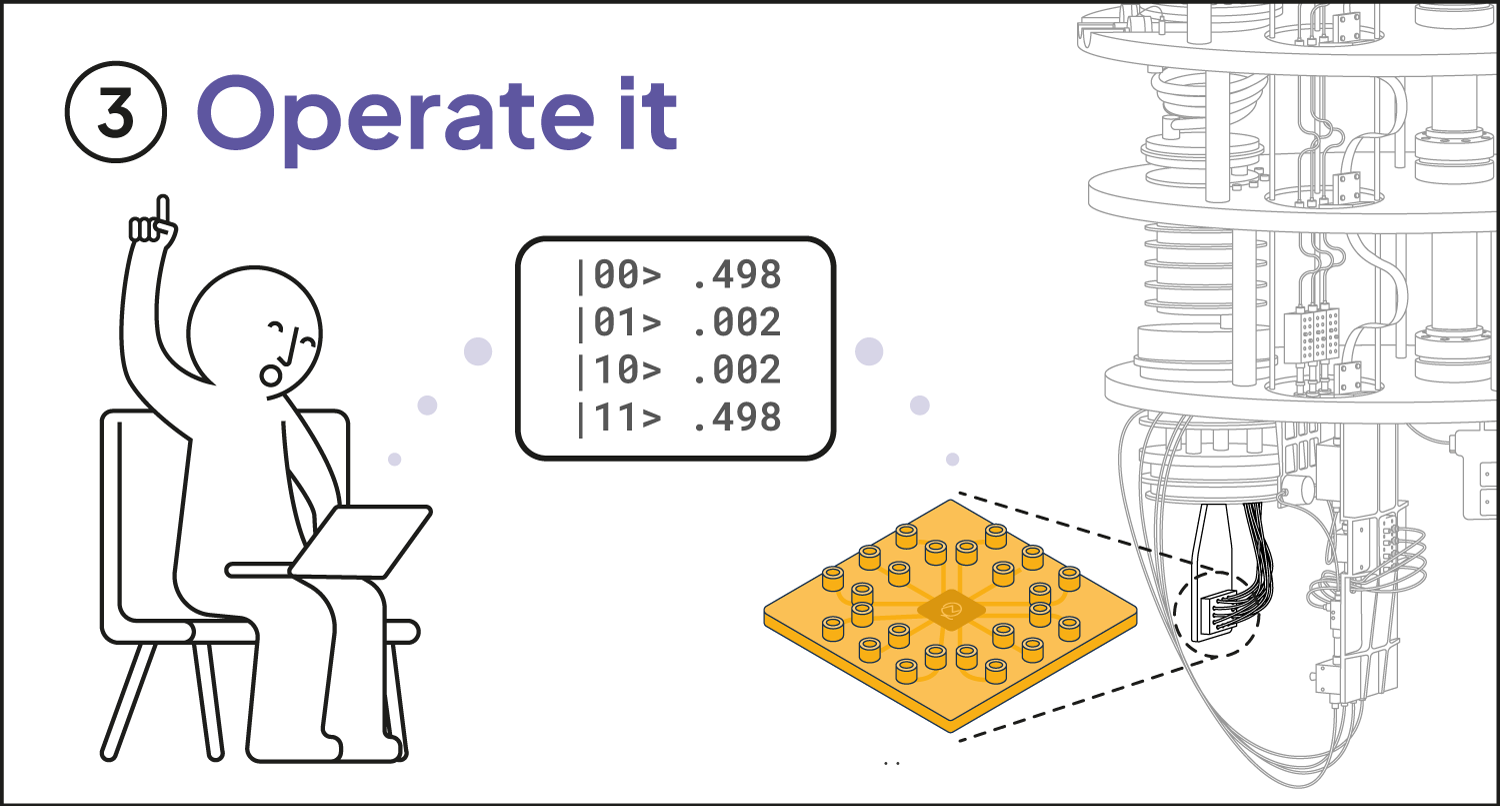
Quantum computing education is often limited to theory, simulators, or remote cloud access. While these tools are essential, they do not provide exposure to real system operation.
EduQit enables education and research institutions to work directly with an on-site quantum computing system, building from hardware to application and long-term operational capability.
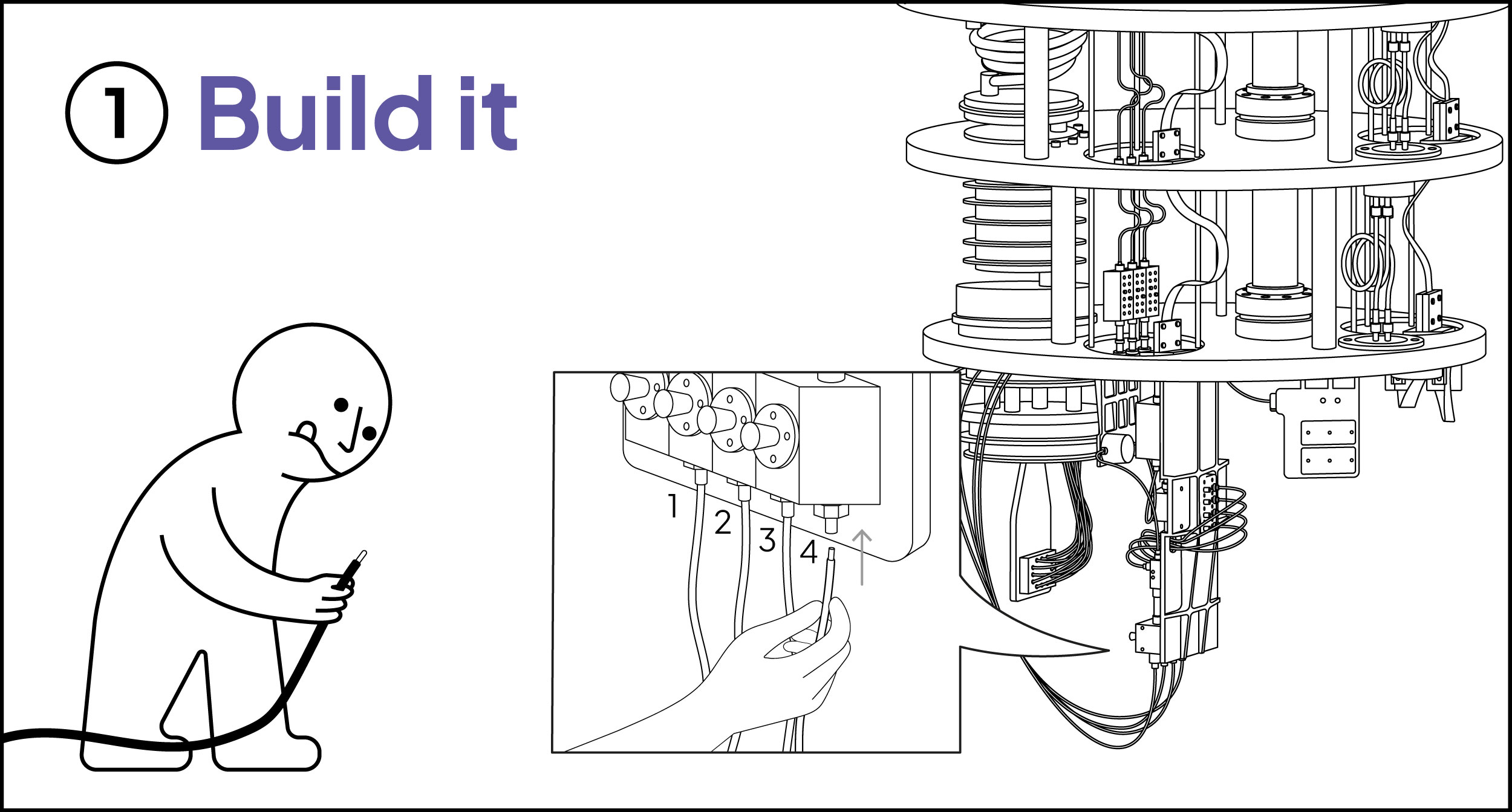
EduQit provides all the elements needed to assemble and operate a fully functional quantum computer
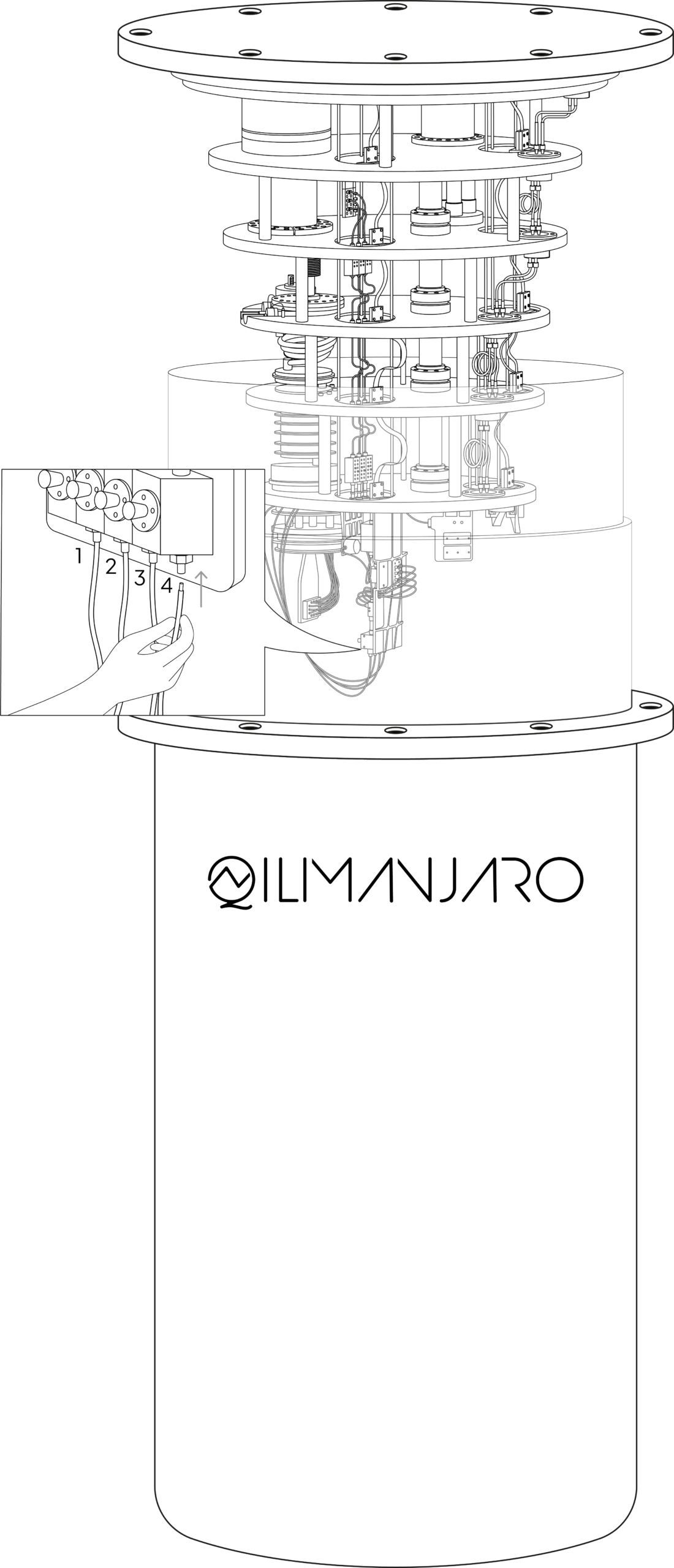
Dilution refrigerator with cryogenic wiring, thermalisation stages and shielding to host and protect the quantum processor.
RF and microwave electronics for signal generation, conditioning and readout, adapted to analog, digital or hybrid systems.
Superconducting quantum processors, available in analog, digital or hybrid configurations depending on the EduQit model.
Racks, power distribution, servers and networking required to integrate the quantum system on-premises.
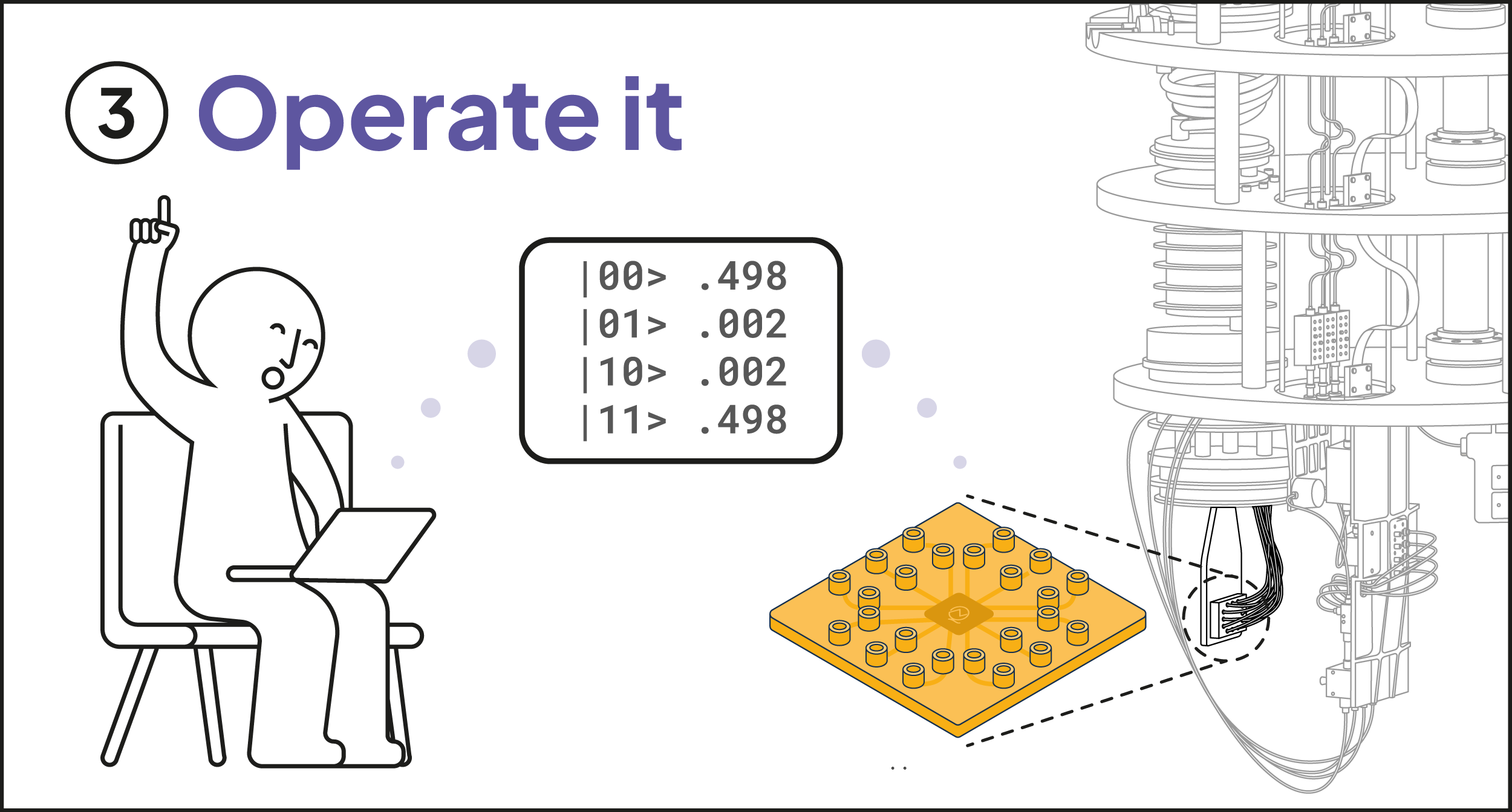
High-level software for designing, programming and running quantum circuits and algorithms.
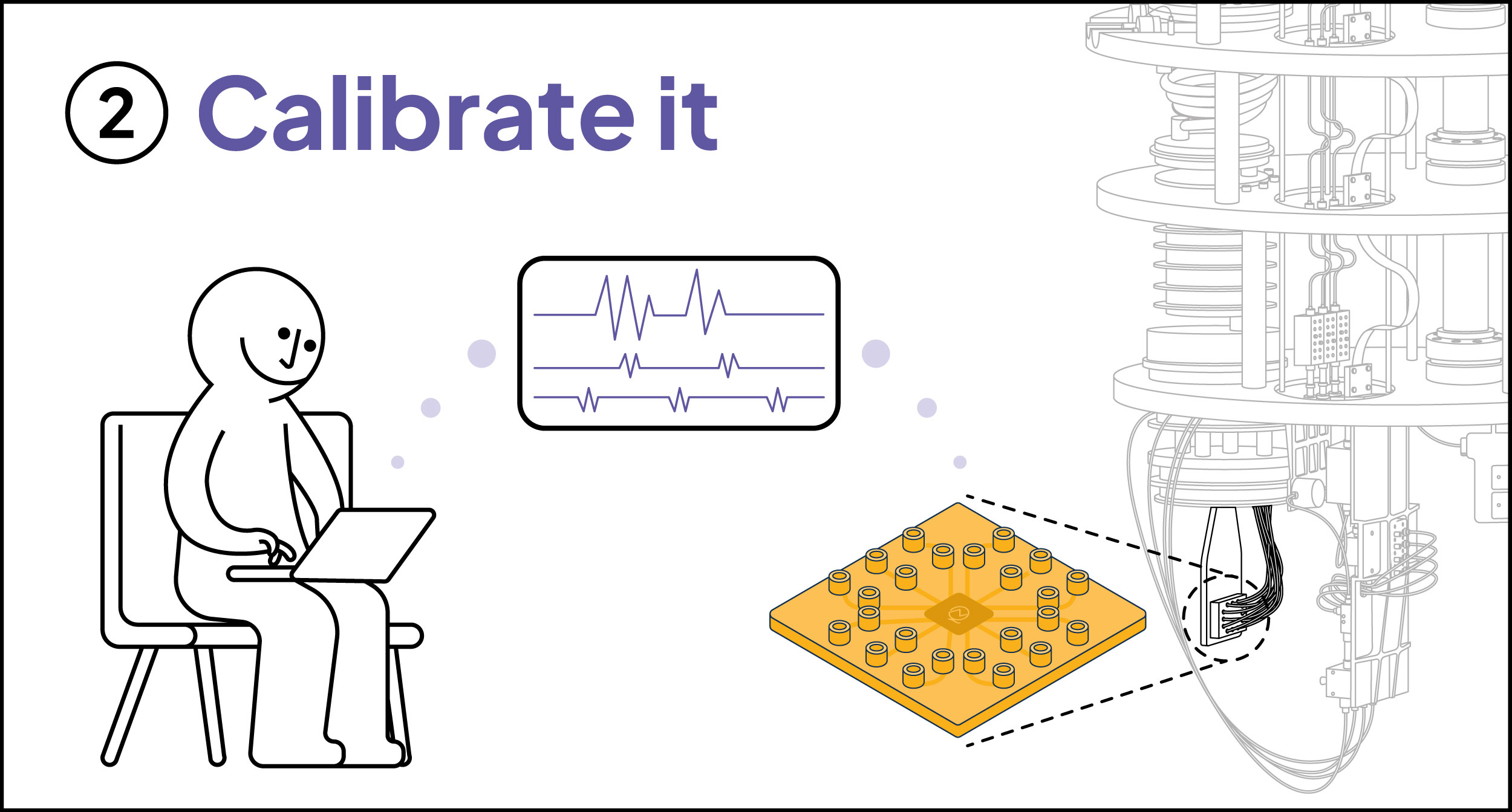
Low-level control software for calibration, pulse control, experiment orchestration and hardware monitoring.
Everything you need to know about EduQit.
Yes. EduQit is built on real, deployable quantum computing systems. It is not a simulator or a purely cloud-based service.
No. EduQit is not designed to maximise performance or demonstrate quantum advantage. Its objective is education, capability building, and system-level understanding.
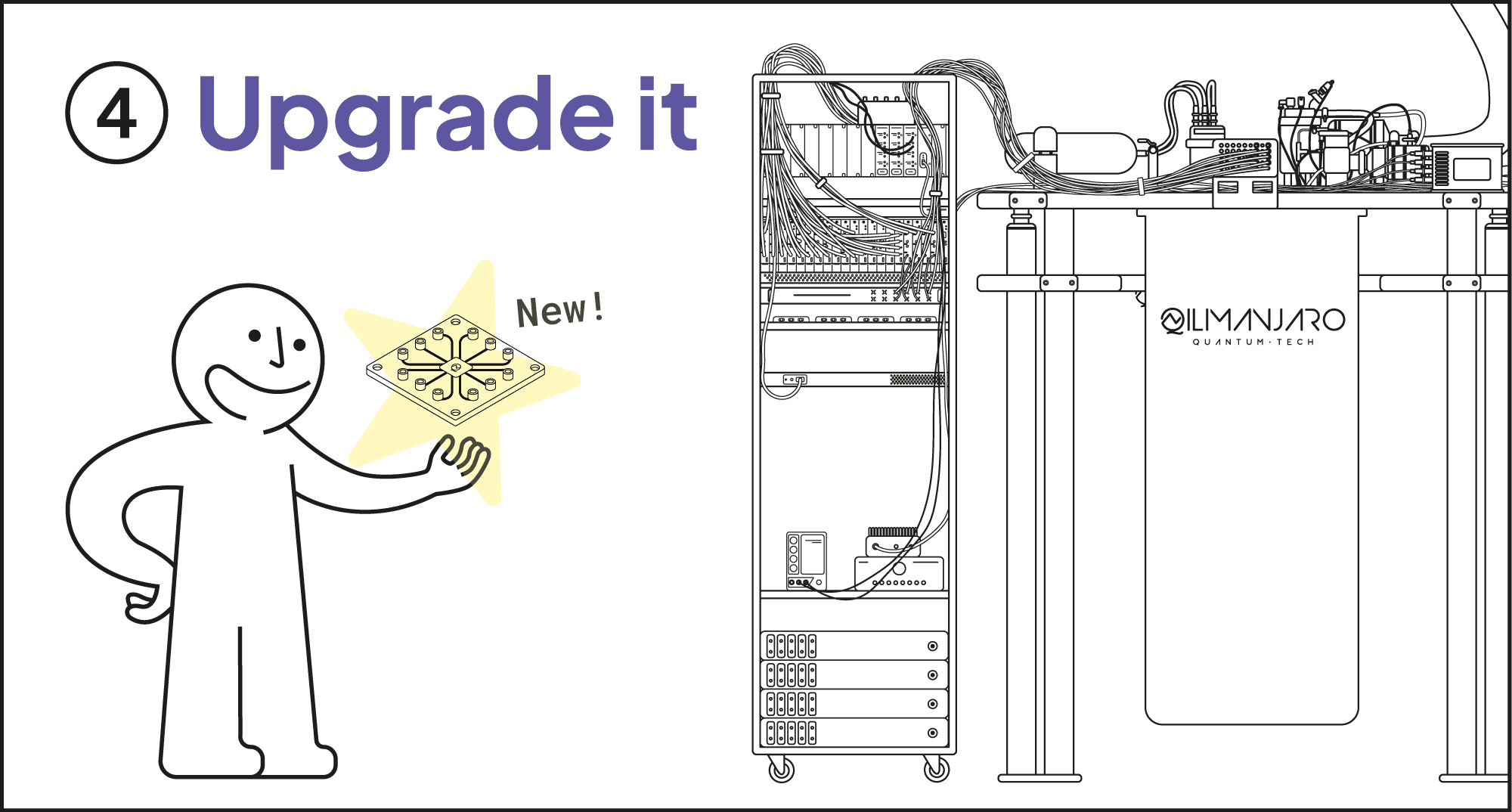
EduQit provides system-level, hands-on access to a real on-site quantum computer, beyond running experiments. Built around a “Build your own quantum computer” philosophy, EduQit is not a black box: it is co-assembled with qualified quantum engineers, enabling direct knowledge transfer for bring-up, calibration, operation, troubleshooting, and reconfiguration. It supports modular upgrades, component reuse, and custom institutional extensions (QPU, HW, or SW), without breaking support continuity.
EduQit is designed for universities, research institutions, and public-sector organisations involved in education, training, and early-stage research in quantum computing.
Yes. EduQit supports laboratory courses, project-based learning, thesis projects, and experimental research activities.
No. EduQit complements theoretical courses and simulators by providing hands-on experience with real quantum computing systems.
EduQit is centred on on-site, hands-on interaction with a real quantum system, including direct exposure to system operation beyond programming.
Cloud access to analog and digital quantum computers can be included as a complement, but EduQit prioritises physical operation and learning at the system level, which are not accessible through cloud-only models.
EduQit provides hands-on exposure to the full quantum computing system stack, including interaction with cryogenic environments, control electronics, system wiring, calibration and characterization workflows, and basic troubleshooting activities.
This system-level experience is an integral part of the educational approach and is typically inaccessible in simulator-based or cloud-only environments.
EduQit enables direct, operational-level interaction with real quantum systems: bring-up, calibration, operation and troubleshooting, alongside algorithm testing and exploration of error mitigation and correction techniques across paradigms. This builds long-term capability by exposing learners to the realities of running and evolving quantum computing systems.
Yes. EduQit supports digital, analog, and hybrid quantum computing paradigms within the same educational infrastructure.
This multimodal capability enables comparative learning, allowing students and researchers to understand how different paradigms impact system architecture, control electronics, cryogenic operation, calibration strategies, and overall system behaviour.
Exposure to multiple quantum computing paradigms enables students and researchers to develop system-level engineering judgement.
By comparing digital and analog approaches on the same platform, learners can understand architectural trade-offs, operational constraints, and paradigm-dependent differences that are otherwise abstract or hidden.
EduQit can be integrated with classical high-performance computing (HPC) environments to enable hybrid quantum–classical workflows. When enabled, this integration is used as a learning opportunity to understand data flows, orchestration, and practical constraints in real hybrid computing environments, rather than as a performance-oriented feature. EduQit runs independently without HPC integration, which is enabled on a case-by-case basis depending on institutional context and objectives.
No. EduQit is designed with a modular and extensible architecture that reduces dependency on a single vendor.
EduQit is a deployable system, but it is positioned primarily as a strategic educational and innovation infrastructure rather than a commercial performance product.
Yes. EduQit aligns with public priorities such as advanced skills development, technological sovereignty, and long-term capability building.
Yes, EduQit comes with a preliminary checklist of technical and operational requirements for deploying EduQit (space, environmental conditions, utilities, cryogenics, and staffing). Site preparation and premises readiness are expected to be addressed by the hosting organization.
We use cookies to enhance your browsing experience, serve personalised ads or content, and analyse our traffic. By clicking "Accept All", you consent to our use of cookies.